Fish farming in mountainous landscapes of Armenia
Aleksei Ivanov, Fennoaqua’s Area Sales Manager, visited Armenia in June to learn about local fish farming. The trip was particularly significant, as face-to-face meetings are important in Armenian culture and business life.
Feed has been exported from Raisio to Armenia for three decades. Still, Ivanov’s trip was delayed by a few years, first by the pandemic and then by corporate restructuring at Fennoaqua.
“This was my first time in Armenia, so I wanted to get to know the country’s fish farming sector. I also wanted to meet the owner of our local partner, Global Fish, after several years to discuss our work together and the future of fish farming in Armenia. Meeting in person is very important in Armenian culture,” explains Ivanov.
The trip also provided an opportunity to meet staff from Fennoaqua’s sister company, Alltech Armenia, to learn about their parent company’s business operations in the country and to explore potential synergies. With Alltech Armenia, Ivanov visited the area south-west of the capital, Yerevan, near the Turkish border. With representatives from Global Fish, he toured both the southern parts of the country and Lake Sevan in the north-east.
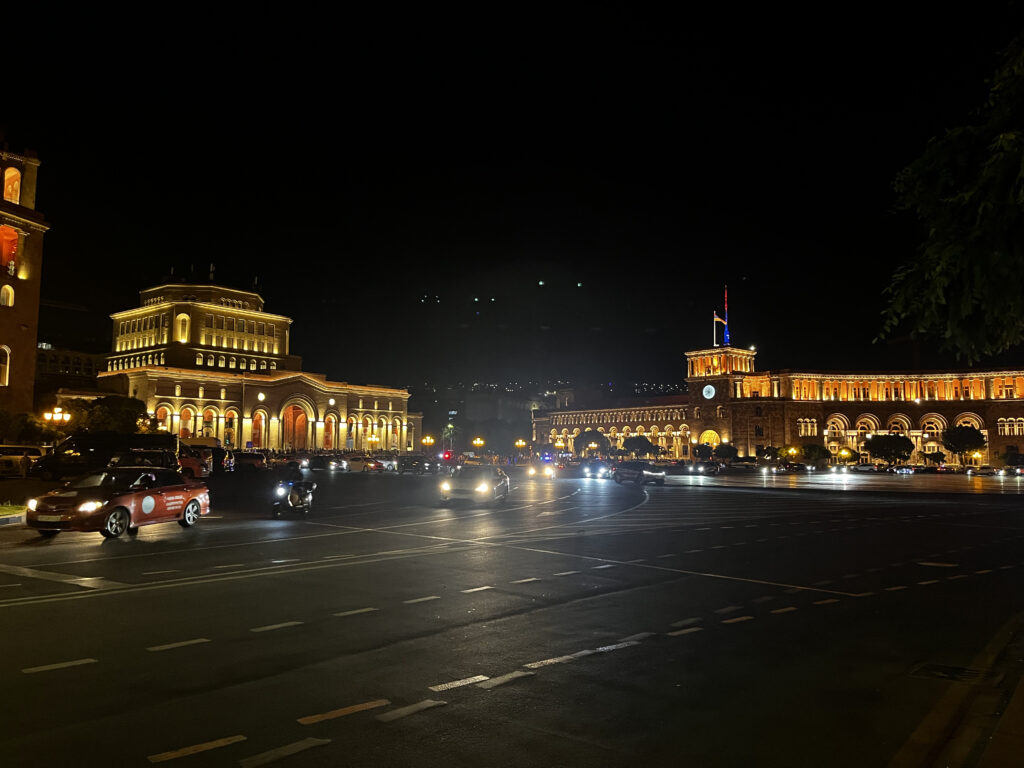
“We spent several hours in the car, and I got to know the traffic jams in Yerevan, the country’s largest city,” Ivanov chuckles.
Armenian business culture is known for its strong hospitality and active approach to negotiations.
“It’s customary to talk about prices and terms in detail, and business owners often take part in making decisions. Once trust is built, working together usually turns into a long-lasting and smooth partnership,” says Ivanov.
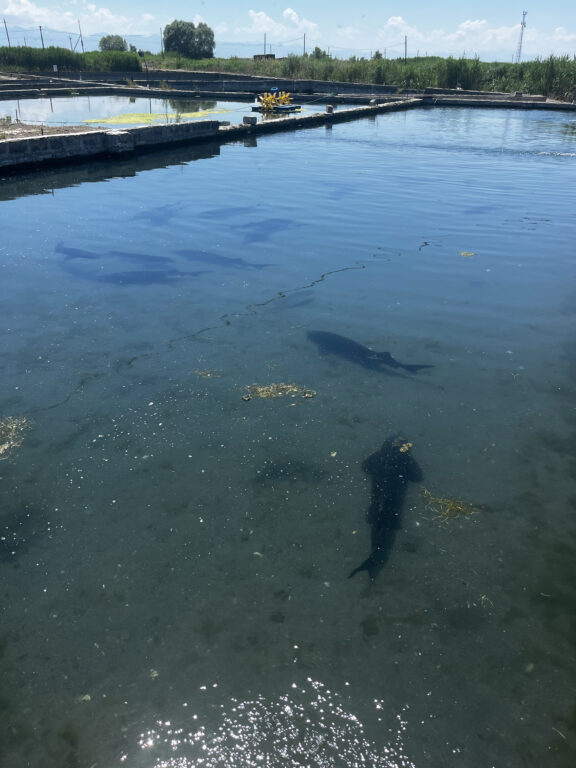
Rainbow trout and sturgeon from raceway systems
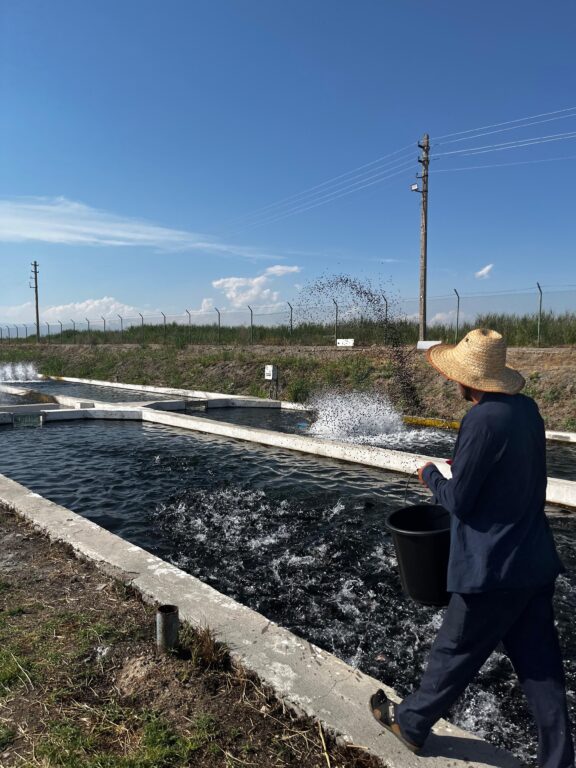
Armenia offers extremely favourable conditions for year-round fish farming. The country produces around 15,000–25,000 tonnes of fish per year, mainly rainbow trout, but also some sturgeon.
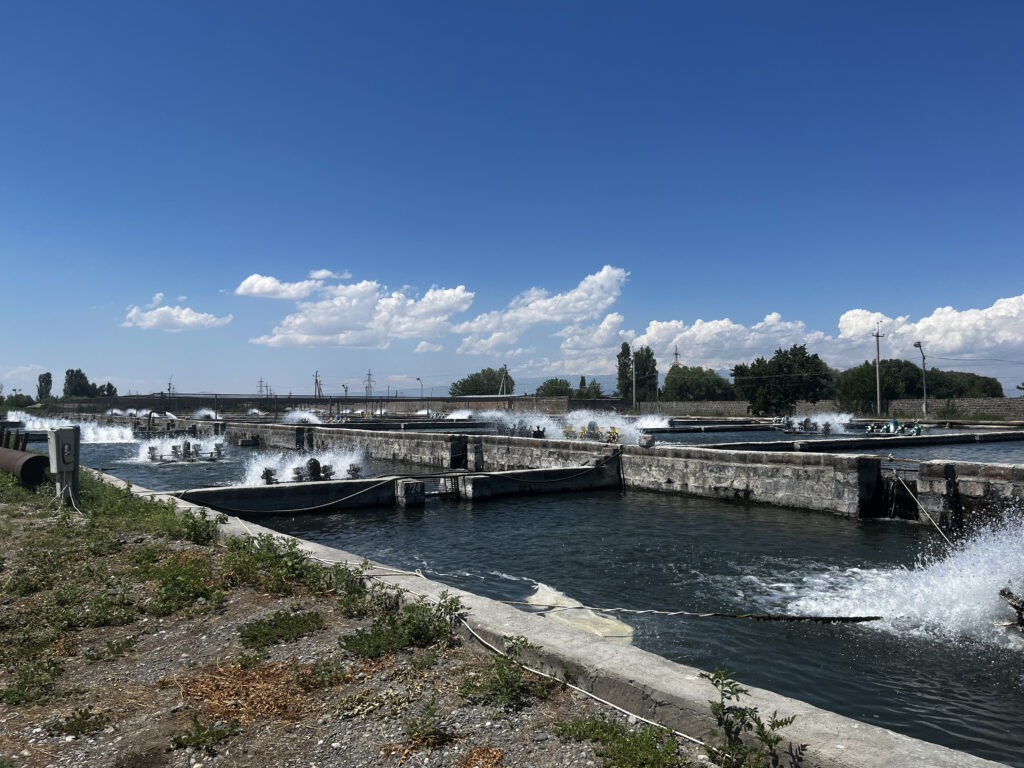
There are many fish farms, but they are relatively small. Rainbow trout are mainly farmed in flow-through systems (raceways and concrete tanks), which utilise pumps and aeration equipment. The tanks can be very shallow, as little as 1–1.5 metres deep.
“The water often comes from artesian wells in the Ararat Valley and is almost like spring water. It comes from deep underground, is very clear, and stays at a steady temperature between 11 and 20 degrees Celsius all year,” Ivanov explains.
Cooperation with Global Fish
Fennoaqua and Global Fish have worked together for more than seven years. Besides running its own fish farms, Global Fish is a major fish processor and distributes Fennoaqua’s feed in Armenia. Global Fish opened a new fish processing plant in spring 2025. The plant uses Baader fish-processing machines, which help the company offer high-value products tailored to buyers’ needs.
 Floating, low-fat fish feed containing 18–24 percent fat is well established in Armenia. Fennoaqua has therefore developed fish feed tailored to local requirements for the Armenian market, which several new customers are currently trialling. Competition in the fish feed sector is fierce, as a wide variety of feeds are available from different countries. Cheap alternatives are popular, even though they are not particularly effective.
“From a Finnish perspective, logistics are also a challenge for feed exports. Shipping by sea in containers can take more than 60 days. Freight costs can get high and delivery times can be long,” Ivanov says
Armenia – mountains and long history
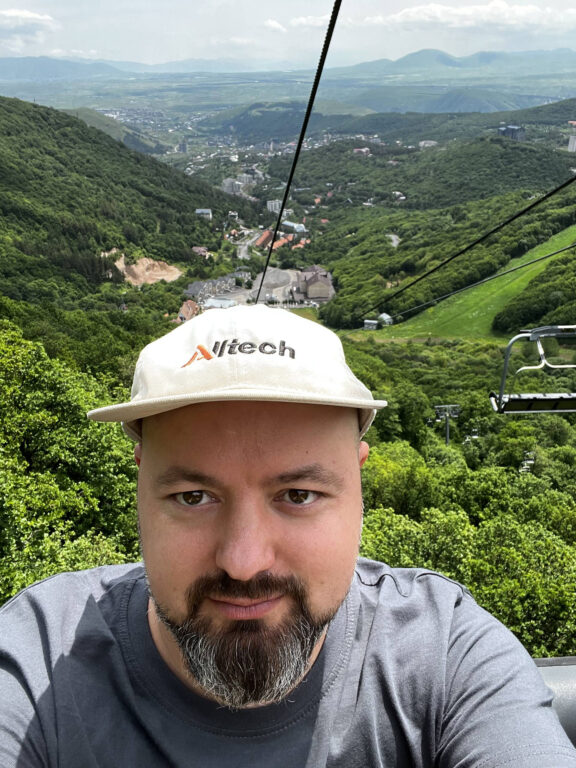
Armenia is a landlocked country in the Caucasus, located between the Black Sea and the Caspian Sea. It became independent in 1991 and has a population of about 3 million. Armenia is known for its long history and is often cited as the first country to officially adopt Christianity as its state religion in 301, according to tradition.
Armenia is a very mountainous country, with every region at least 400 meters above sea level. Mount Ararat is an important symbol for Armenians. According to legend, Noah’s Ark came to rest there after the Great Flood.
“Even though the mountain is now on the Turkish side of the border, it is still a strong symbol for almost every Armenian. On my own trip, I often noticed Mount Ararat, especially when the sky was clear,” recalls Ivanov.